What can I take
on a plane?
A practical guide to cabin baggage: what to keep with you, what to check in, and how to get through airport security with less stress.
Contents
How to think about what to take on a plane
Packing for a flight is not only about saving space. It is about deciding what you need with you and what can safely travel in checked luggage.
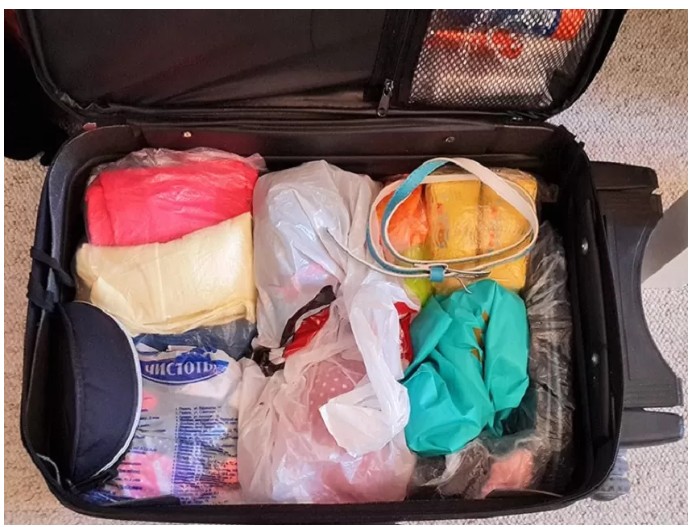
The biggest problems usually happen when documents, electronics, food, cosmetics, and random items are all mixed together without any system.
The best mindset is simple: treat your cabin bag as a place for important, valuable, and useful items — not as overflow storage.
What belongs in your cabin baggage
BasicsCabin baggage should mainly contain documents, money, electronics, essential medicine, light toiletries, keys, and other important or valuable items.
It also helps if your bag is packed logically, because you may need to open it at security.
- Travel documents, boarding pass, and money
- Phone, laptop, tablet, and headphones
- Necessary medicine
- Small hygiene and toiletry items
- A light layer, glasses, a book, or small comfort items
- Valuables you do not want to place in checked baggage
Liquids, cosmetics, and the most common airport issue
Security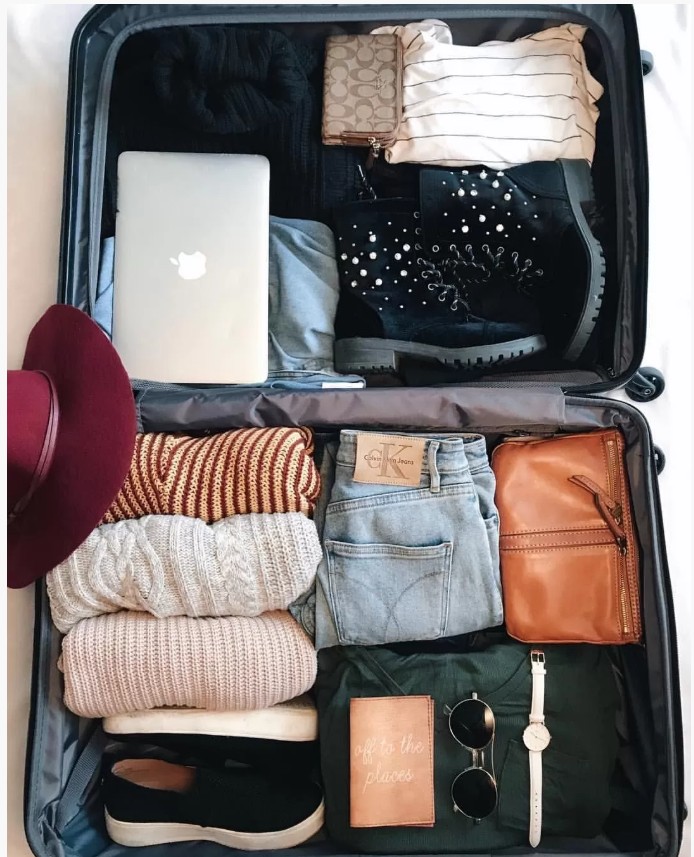
Liquids are one of the most common reasons why passengers get delayed at airport security. People often forget about perfume, cream, toothpaste, gel, spray, or a large drink bottle.
The easiest approach is to keep all liquids together and easy to remove.
- Keep cosmetics and liquids together in one area
- Do not place large containers in your cabin bag
- Buy drinks after security
- Remember that gels, creams, and sprays also count
- Do not repack your bag at the last minute
Medicine, baby food, and special needs items
Important exceptionsMedicine and health-related items are safer in your cabin baggage. The same is true for baby food and special dietary products you may need during the trip.
For important medicine, it is smart to keep it clearly labeled and, if needed, supported by a short doctor’s note.
- Always keep regular medicine in your cabin bag
- Keep baby food separate and easy to show if needed
- Prepare special dietary items in advance
- Do not leave essential medical items only in checked baggage
Electronics, power bank, and valuables
Keep them closeLaptops, tablets, cameras, phones, and headphones should normally stay in your cabin baggage.
The same goes for power banks, chargers, and small electronics. A dedicated pouch for cables and chargers makes things much easier.
Food and drinks on a flight
PracticalLight food for a flight is often a good idea, especially for children or longer travel days. Dry and simple snacks are usually the most practical.
Liquid, messy, or strongly smelling food is less ideal, both for you and other passengers.
- Biscuits, crackers, snack bars, and dry snacks are practical
- Fruit and simple snacks work well for shorter flights
- Avoid strongly smelling foods
- Buy drinks after airport security
Most common packing mistakes for a flight
Watch out- Large cosmetic containers in cabin baggage
- Messy cables, electronics, and documents
- Essential medicine placed in checked luggage
- A forgotten water bottle in a backpack pocket
- An overloaded or too heavy cabin bag
- Valuables packed into checked baggage
Practical pre-flight packing tips
Smart packingThe best cabin bag is not the smallest one — it is the one that is packed in a clear and practical way.
- Pack your cabin bag the day before.
- Keep documents and electronics in a separate section.
- Store liquids together.
- Bring only what you really need into the cabin.
- Check side pockets before leaving for the airport.
- Allow enough time for security screening.